Skip to content
Titanium sheet’s exceptional corrosion resistance can revolutionize chemical plant durability and reduce costly downtime. This guide unpacks titanium sheet’s corrosion mechanisms, optimal alloy selections, fabrication insights, and cost factors to empower chemical industry engineers in material choice.
Over 95% of titanium usage in the chemical industry relies on Grades 1, 2, 7, and 12 due to their superior corrosion resistance. Titanium exhibits outstanding resistance in aggressive chloride, acidic, and seawater environments because of its stable, self-healing oxide film.
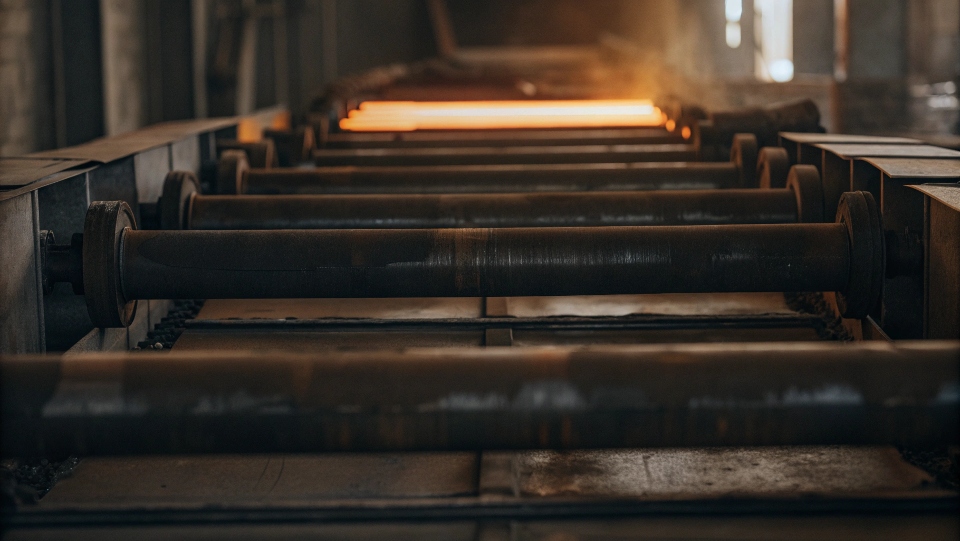
Titanium Sheet: Fundamentals of Corrosion Resistance in Chemical Environments
Titanium’s protective oxide film underpins its unparalleled performance against corrosion across a spectrum of aggressive chemical conditions.
How Titanium’s Oxide Film Enables Exceptional Corrosion Protection
Titanium spontaneously forms a tightly adherent and stable TiO2 passive film that self-repairs in the presence of oxygen or moisture. This oxide layer is typically 12–16 angstroms thick initially. It can grow up to 250 angstroms over years or be thickened through anodizing or thermal oxidation. The film provides robust protection against general, crevice, stress, and galvanic corrosion. Only hydrofluoric acid and its derivatives can effectively disrupt this protective barrier.
Comparative Alloy Performance and Alloying Effects on Corrosion Resistance
Selecting the right alloy is critical for long-term performance in chemical plants. Grades 1, 2, 7, and 12 are the primary choices for their optimized corrosion profiles.
Palladium and ruthenium additions significantly improve resistance to crevice corrosion and reducing acidic conditions by sites of reduced hydrogen overvoltage. Higher oxygen or iron content can reduce corrosion resistance, especially under aggressive conditions. Alpha and alpha-beta alloys cannot be heat treated but retain high corrosion resistance; beta-phase alloys can improve formability while maintaining resistance.
| Grade | Composition (wt%) | Corrosion Resistance Highlights | Typical Applications |
|---|---|---|---|
| Grade 1 | 99.5% Ti + O, Fe (low) | Highest ductility, excellent corrosion resistance in mild acids and seawater | Marine fittings, chemical processing equipment |
| Grade 2 | >99% Ti, low impurities | Most commonly used; balanced corrosion resistance and weldability | chemical plant piping, heat exchangers |
| Grade 7 | Ti + 0.12-0.15% Pd | Enhanced resistance to crevice corrosion and reducing acids | Bleach plants, chloride and organic acid environments |
| Grade 12 | Ti + 0.3% Mo + 0.8% Ni | Superior resistance to crevice and pitting corrosion especially in mixed acid and chloride | Heat exchangers, desalination, refinery components |
| Grade 5 (Ti-6Al-4V) | Ti + 6% Al + 4% V | Good strength but less corrosion resistance than CP grades | Aerospace, medical implants (less used in highly corrosive chemicals) |
Titanium Sheet Applications and Fabrication Notes in Chemical Processing
Titanium sheet’s unique corrosion profile and mechanical properties enable its widespread use in critical chemical plant components, with fabrication best practices ensuring longevity.
Key Applications of Titanium Sheet in the Chemical Industry
Titanium sheet is widely used in heat exchangers, reactors, storage tanks, and piping systems exposed to seawater and chloride-rich process streams. It is the preferred material for handling oxidizing acids like nitric, chromic, and perchloric acids due to its stable passivation. Its resistance extends to industrial chlorine, hypochlorite, bleach, and organic acid processing. According to industry data, some manufacturers like TIMET offer warranties of up to 40 years against corrosion failure in properly applied components.
Fabrication Insights: Welding, Forming, and Surface Treatments
Titanium sheet welds well with Tungsten Inert Gas (TIG) welding in clean, dry environments with inert gas shielding. No pre/post heat treatments are typically needed, but thorough cleaning to remove contaminants is crucial. Thermal oxidation or anodizing can be used to thicken oxide films for enhanced corrosion resistance before exposure. Surface contamination with iron can trigger localized corrosion; pickling in nitric/hydrofluoric acid solutions removes this risk.
Comprehensive Corrosion Considerations and Cost Benefits of Titanium Sheet
Understanding titanium’s corrosion mechanisms and cost implications enables chemical engineers to optimize lifecycle costs and reliability in plant design.
Looking for Durable Titanium Sheets and Plates?
Explore our range of high-quality titanium sheets and plates designed for aerospace, chemical, and marine applications. Our products meet rigorous standards and ensure reliability in demanding environments.
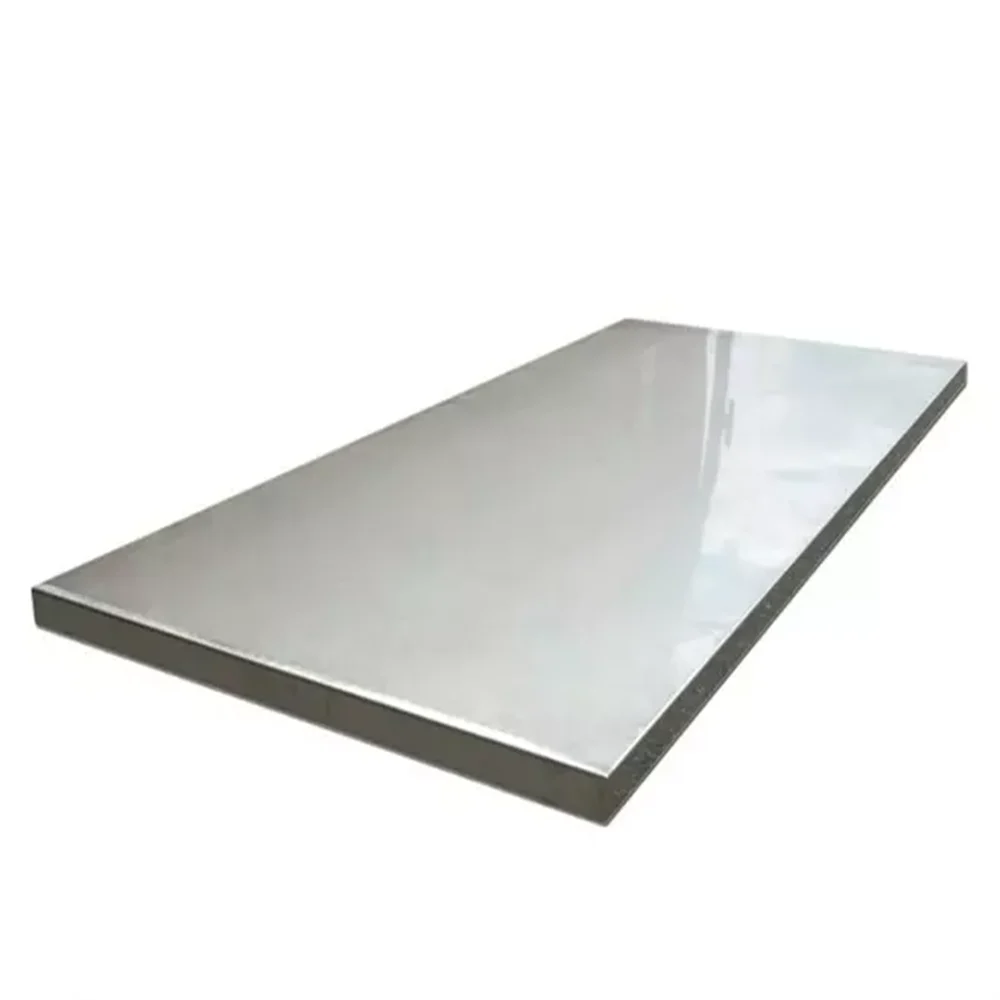
Detailed Corrosion Behaviors of Titanium Sheet in Chemical Processes
Titanium resists general corrosion at rates typically <0.04 mm/yr in oxidizing environments including seawater. Crevice corrosion can occur in aggressive chloride saturated brines at elevated temperatures, controlled by Pd-containing grades. Stress corrosion cracking is almost nonexistent in Grades 1, 2, 7, and 12 under typical chemical plant conditions. Titanium is immune to microbiologically influenced corrosion (MIC), though biofouling requires management.
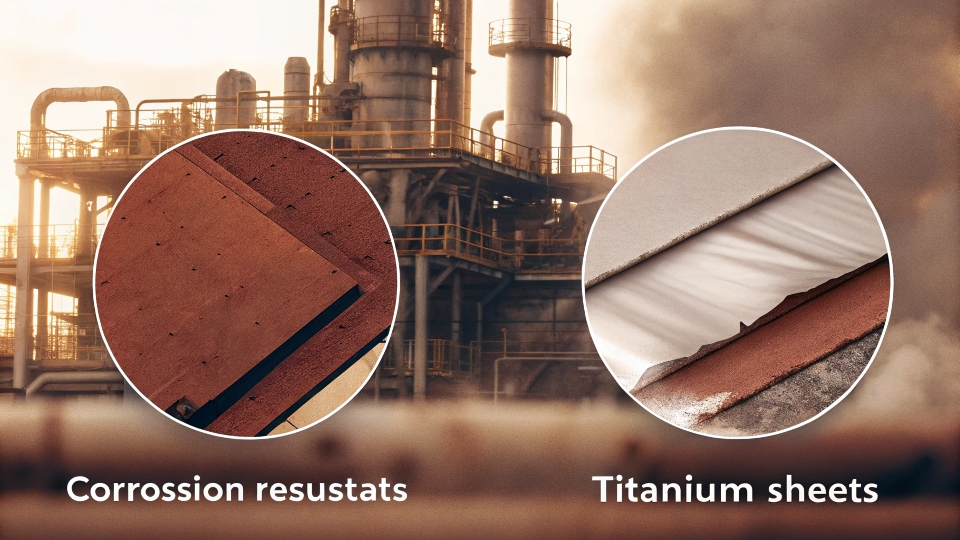
Lifecycle Cost Implications of Using Titanium Sheet in Chemical Plants
Though initial material cost is higher than stainless steels, longer service life and reduced maintenance lower total cost of ownership. The ability to operate reliably in seawater and acidic environments prevents costly leaks and downtime. Warranty periods of up to 40 years demonstrate titanium’s exceptional reliability. Reduced weight (up to 50% less than steel) contributes to structural savings and easier installation.
| Grade | Key Alloying Elements | Corrosion Resistance | Fabrication Notes | Typical Application Examples |
|---|---|---|---|---|
| Grade 1 | Mostly pure Ti (O ≤ 0.18%) | Excellent general corrosion resistance; low strength | High ductility and formability; excellent weldability | Seawater piping, chemical vessels, heat exchanger shells |
| Grade 2 | Pure Ti (slightly more strength than Grade 1) | Same corrosion range as Grade 1; widely accepted | Good forming and welding characteristics | Heat exchangers, piping systems, storage tanks |
| Grade 7 (Ti + 0.12-0.15% Pd) | Pd addition for enhanced reducing acid resistance | Outstanding crevice corrosion resistance; acid service | Similar weldability to CP; more expensive | Bleach plants, chlorine service, acid process equipment |
| Grade 12 (Ti + 0.3% Mo + 0.8% Ni) | Mo + Ni for improved pitting and crevice resistance | Best resistance to crevice corrosion in chlorides and acidic salt brines | Slightly lower ductility; weldable with care | Desalination, refinery process heat exchangers, chemical plants |
| Grade 5 (Ti-6Al-4V) | Al + V for strength and temperature stability | Good corrosion resistance but less than CP grades | More difficult to form; requires special welding | Aerospace components, structural hardware (less used in chemical plants) |
Frequently Asked Questions
Which titanium grades are most suitable for corrosive chemical environments?
Focus on Grades 1 and 2 for general chemical service, Grade 7 for improved resistance in reducing acid and chlorine environments, and Grade 12 for enhanced crevice and pitting resistance in chloride/brine and acidic salts. Avoid using less corrosion-resistant alloys like Grade 5 in highly corrosive media.
How does titanium resist corrosion in seawater and acidic chloride environments?
Titanium forms a stable and self-healing oxide film (TiO2) that acts as an effective barrier to most aggressive chemicals and prevents localized corrosion under normal conditions. Alloy additions like Pd and Mo enhance this behavior, expanding resistance to crevice corrosion in harsher environments.
Are there fabrication considerations when working with titanium sheet for chemical plants?
Yes, ensure welding under inert gas shielding (TIG) with clean and dry surfaces to avoid embrittlement; clean pickling is critical to remove iron contamination. Cold forming requires lubrication and attention to bend radii due to titanium’s galling tendency and lower modulus. Thermal oxidation or anodizing can enhance surface protection.
What are the typical failure modes of titanium sheet in chemical process plants?
Primary failure mechanisms include crevice corrosion at high chloride and low pH in stagnant zones, hydrogen embrittlement under cathodic polarization or flawed surfaces, and rarely localized pitting when exposed to excessive anodic potentials exceeding protective limits.
What is the economic rationale for specifying titanium sheet in chemical plant equipment?
Although initial costs of titanium alloys are higher, its superior corrosion resistance and lightweight nature reduce maintenance, downtime, and structural requirements, resulting in lower total lifecycle and operational costs, often guaranteed up to 40 years of use in critical applications.